Barcode Embroidery Design Review
A First Look at Barcode
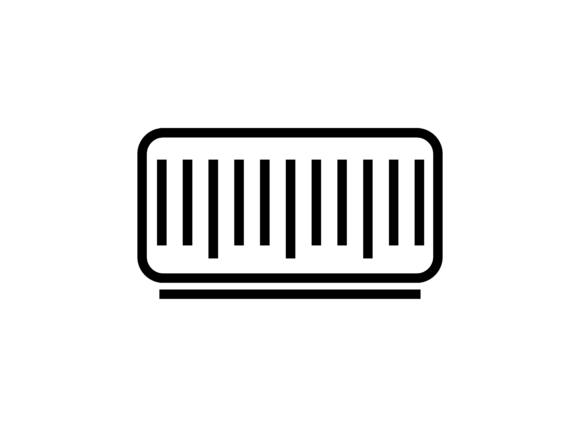
When I first saw the Barcode icon, it immediately struck me as a clean and modern design that feels right at home in digital spaces. The simplicity of its lines and the precision of its structure give it a very professional look. It’s one of those icons that you can instantly recognize and know exactly what it represents. This kind of clarity is essential when designing for real-world embroidery projects, especially when the goal is to convey a message quickly and effectively.
The visual personality of Barcode is minimalistic yet functional. It doesn’t try too hard to be anything more than it is—just a barcode. That makes it versatile for a wide range of applications, from custom apparel to promotional materials. It feels like it belongs on a tote bag or even on a baby onesie, where subtlety and readability are key.
How Barcode Performs in Real Embroidery Projects
I recently used Barcode for a custom embroidered tote bag for a small shop owner who wanted to add a subtle brand touch. The design worked beautifully—it didn’t overpower the fabric, and it was easy to stitch without any distortion. The lines were crisp, and the contrast between the thread and the fabric made it stand out just enough to be noticeable but not overwhelming.
This design would also work well on sweatshirts, t-shirts, caps, and even patches. Its size is compact enough to fit on smaller items like aprons or pillow covers, and it maintains its integrity across different fabric types. When placed on dark fabrics, the stitching still held up well, though I did recommend using a stabilizer to prevent shifting during the embroidery process.
For commercial embroidery, Barcode could easily be adapted into a series of designs for a line of products. It has the potential to become a go-to asset for Etsy sellers, craft fair vendors, or boutique branding. Its clean aesthetic fits perfectly with handmade products and personalized gifts, where attention to detail matters.
Where to Use Barcode with Caution
While Barcode is a strong design, there are a few scenarios where extra care should be taken. For instance, if using it on very thin or stretchy fabrics, the design might lose some of its definition. In such cases, choosing a hoop size that allows for proper tension and using a good quality stabilizer becomes crucial.
On curved surfaces like caps or hats, the design needs to be adjusted slightly to maintain its shape. Also, if the project involves frequent washing, ensuring that the thread colors are colorfast and the stitching is secure is important to preserve the design over time.
Small details like tiny lettering or decorative accents aren’t an issue here, since Barcode is mostly composed of bold, clear lines. However, if planning to use this design on layered garments or products with textured fabrics, a test run on scrap fabric is always a safe step before committing to the final product.
Visual Appeal and Practical Considerations
Barcode adds a subtle but professional touch to any embroidered item. It enhances the visual appeal of handmade products and contributes to a sense of quality and thoughtfulness. For customers, seeing a well-executed design like this can increase trust in the product and the brand behind it.
From a designer’s perspective, Barcode offers a reliable base that can be paired with other graphics or text elements. It helps maintain brand consistency across different merchandise and supports creative freedom without compromising clarity. It’s also a great option for printable mockups or digital product previews, making it useful for both personal and commercial embroidery projects.
Embroidery Designer Notes
If you’re planning to use Barcode in your next project, here are a few practical tips:
- Test the design on scrap fabric first to see how it looks and stitches up.
- Check thread color contrast to ensure visibility on different fabric backgrounds.
- Review stitch density to avoid overcrowding or distortion, especially on delicate fabrics.
- Confirm hoop size and adjust the design if necessary for the best results.
- Inspect small details and make sure they translate well when stitched.
- Test in black and white mockups to see how the design holds up under different lighting conditions.
- Compare light and dark fabric backgrounds to determine the best thread color options.
- Use proper stabilizer to keep the fabric from puckering or shifting during the embroidery process.
- Check whether the design works for both personal and commercial use, and confirm licensing terms before selling finished items or digital products.
Barcode is a solid choice for any embroidery designer looking for a simple, versatile, and professional-looking icon. Whether you're creating a custom apparel piece, a personalized gift, or a boutique product, this design brings a clean and modern edge to your work. Just remember to take the time to test and adjust it for your specific project needs, and you’ll be set for success.